Information Technology (IT) is an integral part of the modern world, encompassing everything from the physical devices we use to the software and networks that connect us. Understanding the fundamental concepts of IT is essential for navigating today’s digital landscape, whether you're a professional in the field or an everyday user of technology. This section provides a foundational overview of key IT concepts, including hardware, software, networking, and the role of IT in modern organizations.
IT fundamentals provide the building blocks for understanding how modern computer systems operate and how various components work together to perform complex tasks. By exploring the basics of hardware, software, and networking, we gain a clearer picture of the technological infrastructure that supports everything from personal computing to large-scale enterprise solutions.
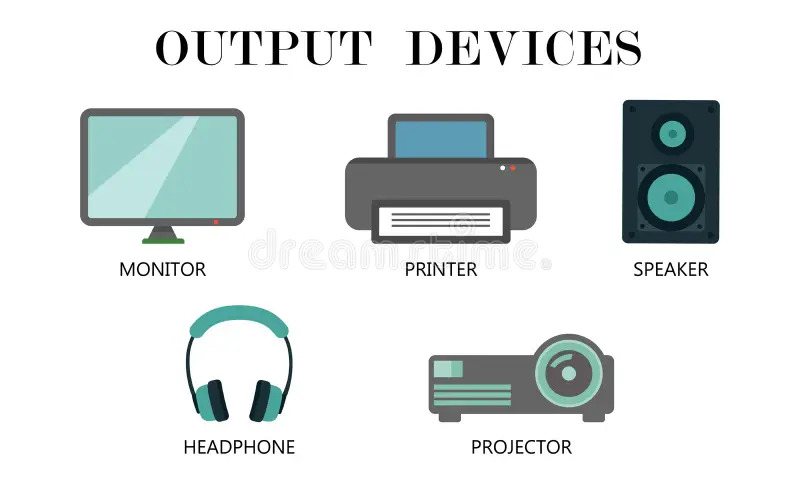
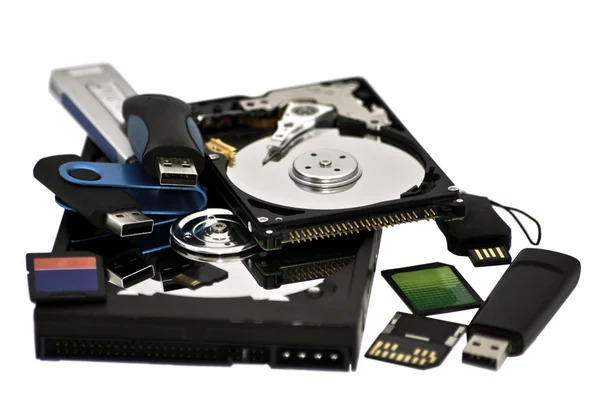
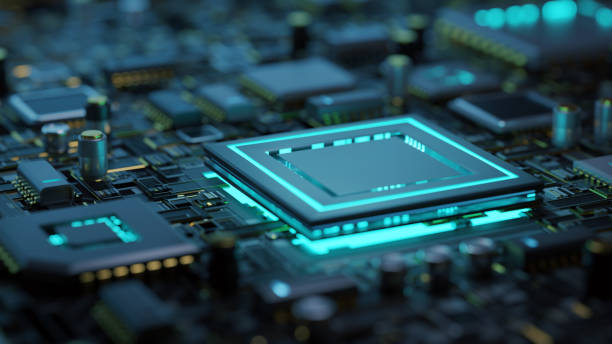
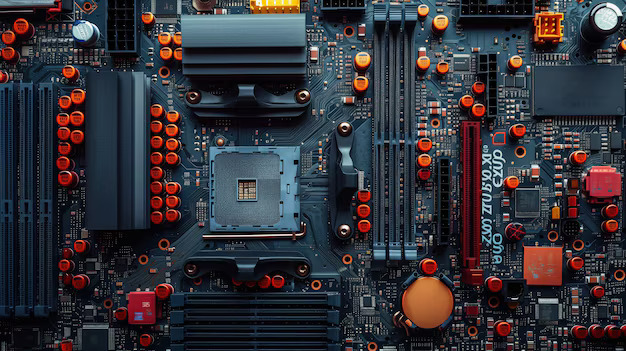
Hardware forms the backbone of any computing system, comprising the physical components that make up a computer. These elements, such as input and output devices, storage units, processing units, and the motherboard, work in harmony to perform computational tasks. Each component plays a crucial role in the overall functionality of a computer system, enabling it to process data, store information, and interact with users. These components can be categorized into several key areas:
While hardware constitutes the physical aspect of computing, software is the intangible component that directs hardware on what to do. Software ranges from system-level programs that manage hardware resources and provide essential services to applications that enable users to perform specific tasks. Understanding the difference between system software and application software is fundamental to grasping how computers operate and serve user needs. It can be divided into two main categories:
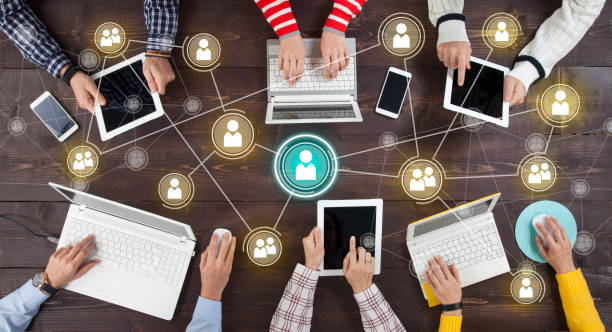
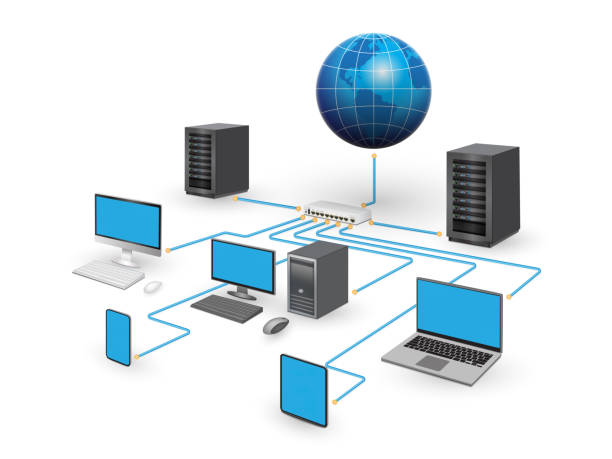
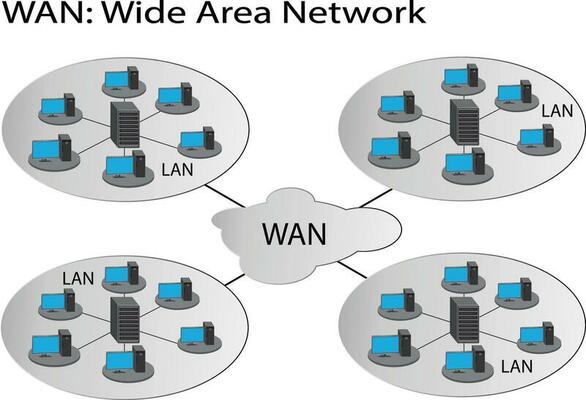
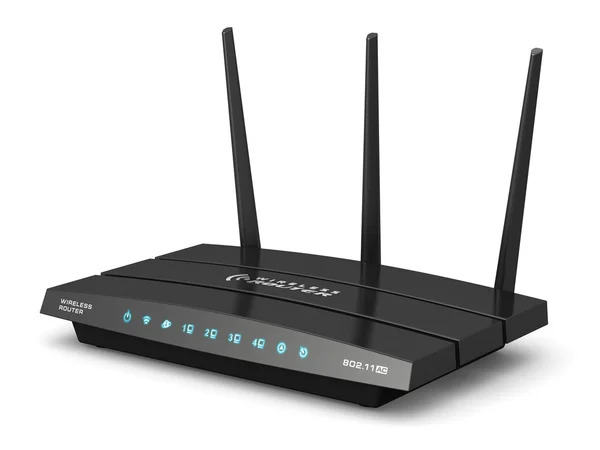
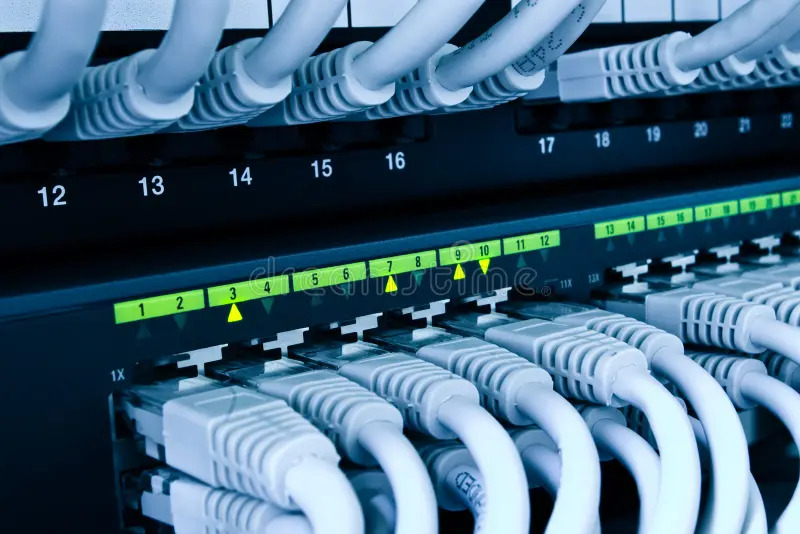
Networking is the practice of connecting computers and other devices to share resources and information efficiently. From local area networks (LANs) within a single building to wide area networks (WANs) that span countries, networking enables the vast interconnected world we live in today. This section explores the types of networks, the devices that support them, and the protocols that make seamless communication possible. Key concepts include:
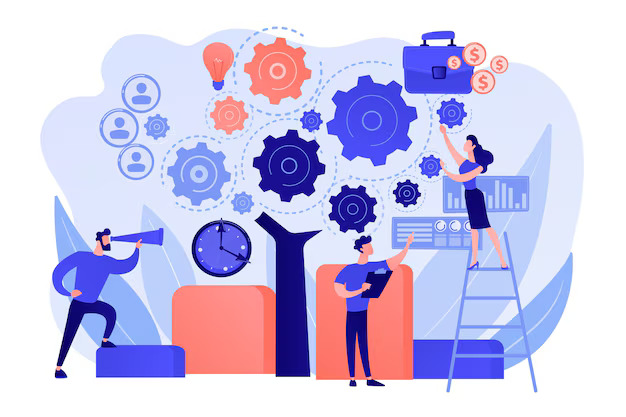
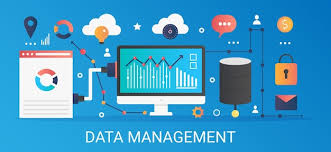
In today's digital age, IT plays a pivotal role in the functioning of modern organizations, driving operational efficiency, enhancing data management, and fostering communication and collaboration. From automating routine tasks to securing sensitive information, IT is fundamental to an organization's strategy and growth. This section highlights the various ways IT contributes to organizational success and how it continues to evolve as a critical resource for businesses. Its impact can be observed in several key areas: